
The Psychological Impact of Your Surroundings
The environment in which you live has a profound and continuous impact on your psychological well-being. Your home should ideally serve as a sanctuary—a place where you can retreat from the chaotic energy of the outside world, lower your defenses, and truly recharge. However, if your living space is cluttered, poorly lit, or disorganized, it can inadvertently act as a persistent source of low-grade stress, draining your energy rather than restoring it. Every physical object in your home demands a tiny fraction of your cognitive attention. When you are surrounded by visual noise, your brain struggles to fully relax, keeping your baseline level of anxiety artificially high. Recognizing this connection is the first step in intentionally designing a calmer vibe. By consciously curating your physical surroundings, you can create a tangible atmosphere that actively promotes tranquility, focus, and emotional rest. Transforming your space is not merely an exercise in interior design; it is a vital practice in personal energy management that pays dividends in every other area of your life.
Decluttering to Reduce Visual and Mental Noise
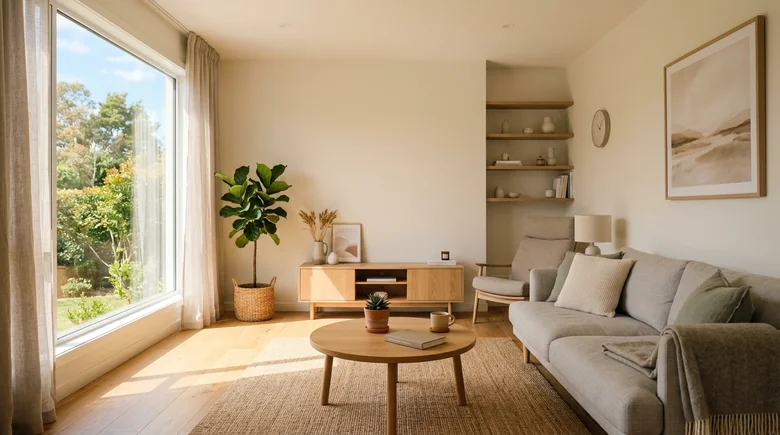
The most immediate and effective way to shift the energy of a room is through ruthless decluttering. Clutter is essentially stagnant energy; it represents delayed decisions, unfinished tasks, and an attachment to the past. When you clear away unnecessary items, you instantly open up the physical and mental space required for a calmer atmosphere. Start with the areas where you spend the most time relaxing, such as the bedroom or the living room. Remove items that do not serve a functional purpose or bring you genuine joy. Clear flat surfaces, like tables and countertops, as these tend to act as magnets for random objects and significantly contribute to visual noise. The process of organizing your external environment has a mirror effect on your internal state; as you sort through physical objects, you often find your thoughts becoming more organized and less frantic. Maintaining a minimalist approach does not mean your home must be sterile or empty, but rather that every item in it should be there intentionally, contributing positively to the overall feel of the room.
Harnessing the Power of Intentional Lighting
Lighting is arguably the single most important factor in establishing the vibe of a room. Harsh, bright overhead lights, particularly those with cool, blue tones, signal to the brain that it is daytime and time to be alert. This is useful in an office, but counterproductive when you are trying to wind down at home. To create a calm sanctuary, you must harness the power of intentional lighting. Rely on natural light as much as possible during the day. In the evening, transition to softer, warmer light sources. Use table lamps, floor lamps, or wall sconces rather than the main ceiling light. The goal is to create pools of warm light that invite relaxation and signal to your body that the busy portion of the day has concluded. Consider the placement of shadows just as much as the placement of light; a room with varied lighting depth feels significantly cozier and more inviting than a space that is uniformly illuminated. Adjusting your lighting is a simple change that immediately alters the emotional frequency of your home.
Incorporating Elements of the Natural World
Humans have an innate, biological need to connect with nature, a concept known as biophilia. Bringing elements of the natural world into your home is a proven method for reducing stress and cultivating a grounded, peaceful vibe. Houseplants are the most obvious way to achieve this; they not only purify the air but also add a vibrant, living energy to a static room. If you do not have a green thumb, even low-maintenance plants can make a significant difference. Beyond plants, consider incorporating natural materials and textures into your decor. Wood, stone, linen, and wool evoke a sense of the outdoors and feel inherently more soothing than synthetic plastics or cold metals. Even the colors you choose can reflect nature—soft greens, earthy browns, and muted blues have a calming psychological effect. By blurring the lines between the inside and the outside, you create an environment that feels less like an artificial enclosure and more like a natural, restorative habitat.
Establishing Dedicated Zones for Rest and Activity
To maintain a balanced vibe, especially if you work from home, it is crucial to establish dedicated zones for different types of activities. When the boundaries between work, relaxation, and sleep blur, the energy of the house becomes chaotic and confusing. Your brain needs environmental cues to know which mode it should be in. If possible, designate a specific area solely for work or high-focus tasks, and strictly avoid bringing that work into areas meant for rest, like the sofa or the bed. When you finish working for the day, physically close your laptop or leave the designated workspace to signal a shift in energy. Create a specific corner for reading, meditating, or simply sitting quietly. By clearly defining the purpose of each space, you train your mind to automatically adopt the correct state of being when you enter that zone. This structured approach prevents the stress of the workday from leaking into your evening downtime, preserving the sanctuary-like atmosphere of your home.